
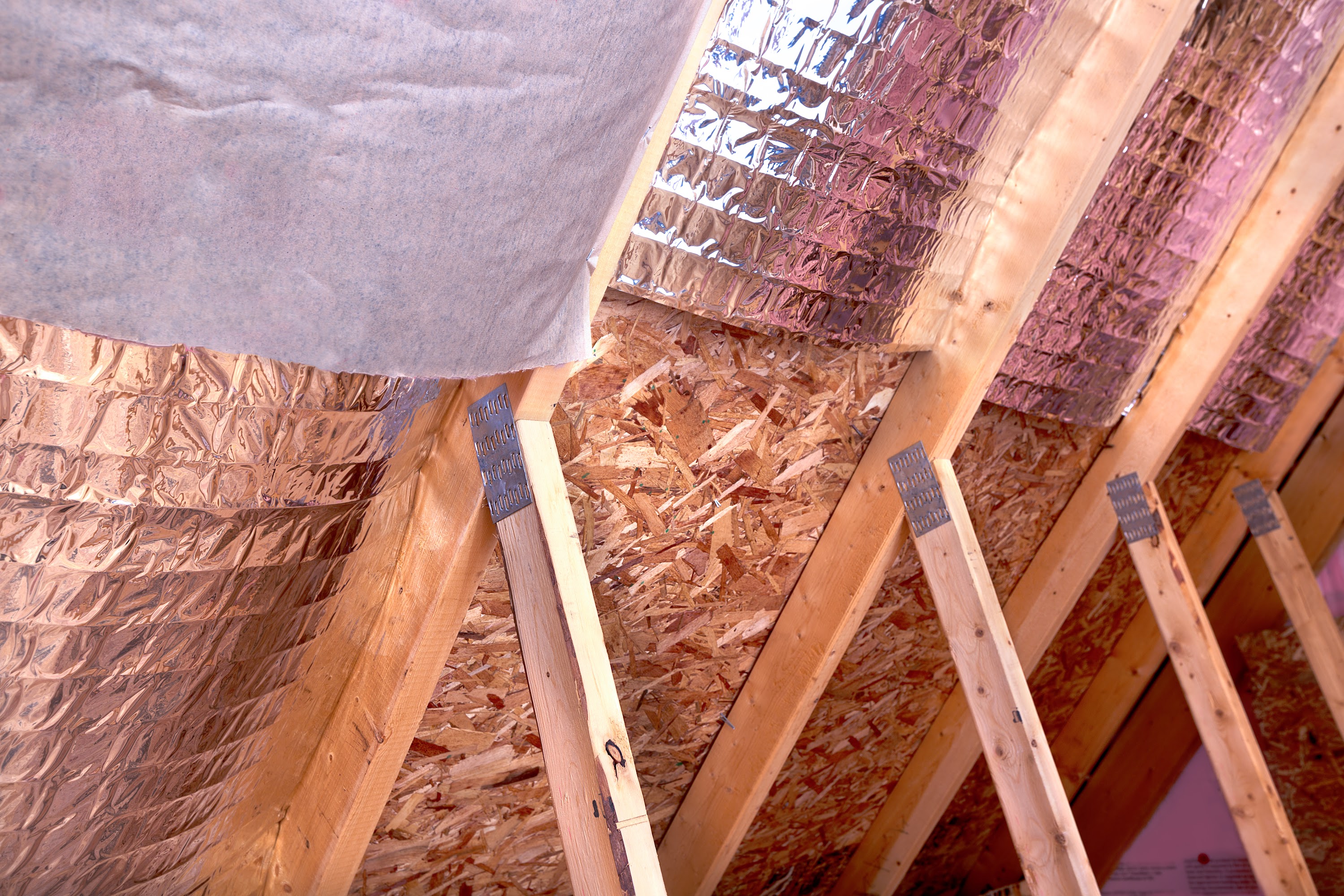
Seeing insulation in your attic can make it seem like your home is already protected from outdoor temperatures. However, insulation can be present without working as effectively as it should. Uneven coverage, air leaks, moisture, and insufficient insulation levels can all reduce its performance.
If certain rooms stay uncomfortable, your HVAC system seems to run constantly, or your energy use has changed without an obvious reason, your attic may be worth a closer look.
How Can Attic Insulation Stop Working Properly?
Attic insulation slows the movement of heat between your living space and the attic. Its effectiveness is measured by R-value, which describes how well a material resists heat flow.
Having insulation in place does not automatically mean your attic has enough thermal resistance. Some areas may have less insulation than others, or the material may have shifted and left gaps.
Air leakage can also affect overall performance. Insulation helps resist heat transfer, while air sealing limits unwanted airflow through openings in the home. Both can play an important role in keeping indoor temperatures more consistent.
What Are the Signs Your Insulation Isn’t Working?
Several comfort and efficiency problems may suggest your attic insulation needs professional attention. These signs can have other causes, so an inspection can help determine what is actually happening.
Uneven Temperatures From Room to Room
One bedroom may feel noticeably warmer than another, or an upstairs space may be harder to cool. Uneven attic insulation can contribute to these temperature differences by allowing more heat to move through certain parts of the ceiling.
HVAC airflow, ductwork, and other issues can also cause uneven temperatures, so insulation should be considered as part of the whole system.
Your HVAC System Runs Longer Than Expected
Your HVAC system may have to work harder when excessive heat moves between the attic and your conditioned living space.
Long run times do not automatically mean the insulation is responsible. However, when they occur alongside uncomfortable rooms or visible attic problems, insulation performance may be one factor worth evaluating.
Your Energy Use Seems Higher Without a Clear Reason
Changes in energy use can have many causes, including weather, HVAC condition, thermostat settings, and household habits.
Poor insulation or uncontrolled attic air leakage can also increase heating and cooling demand. If energy use seems unusually high, a whole-home evaluation can help identify areas where efficiency may be improved.
Insulation Looks Thin, Patchy, or Uneven
You may be able to see plenty of insulation in one part of the attic while other areas have much less coverage. Low spots, gaps, or exposed sections can reduce the attic’s overall thermal performance.
This is why insulation should be evaluated for consistent coverage instead of judged by one well-insulated area.
Can Air Leaks Make Good Insulation Less Effective?
Yes. Insulation and air sealing address different parts of home performance.
Air can move through openings around attic access points, plumbing and wiring penetrations, fixtures, and other gaps. Even when the insulation itself is in good condition, uncontrolled airflow can make the home harder to heat or cool efficiently.
Some types of insulation may also show dirty or discolored areas where air has been moving through the material. These conditions can help a trained professional identify areas that may need additional attention.
Does Moisture Affect Attic Insulation Performance?
Moisture can interfere with the performance of some insulation materials and may point to another attic or building-envelope issue.
For example, air carrying moisture from the home can move into the attic and create condensation under certain conditions. Wet or damp insulation should not simply be covered with additional material. The source of the moisture should be identified so the underlying issue can be addressed appropriately.
What Insulation Level Is Recommended in Austin?
The right insulation level depends on the home, the insulation material, and existing attic conditions. There is no single recommendation that fits every property.
Austin Energy currently uses R-38 as a target for qualifying attic-insulation work through its residential energy-efficiency program. Its approach also considers improvements such as air sealing, ductwork, and attic-access insulation.
That whole-home approach is important because adding more insulation may not solve comfort or efficiency problems if air leaks or other issues are also present.
Get Your Attic Insulation Checked in Austin
Visible insulation does not always mean your attic is performing as intended. Uneven coverage, air leakage, insufficient R-value, and moisture can all affect how well it protects your home.
Learn more about attic insulation in Austin from Totally Cool Heating & Air. We have been locally owned and operated since 1982, and we focus on energy efficiency and conservation solutions for Austin-area homeowners. We are a BBB-accredited company and a registered contractor with Austin Energy and Texas Gas.
If you are concerned about your attic insulation, contact us to request professional service from Totally Cool Heating & Air. Our services include a satisfaction guarantee, and emergency or after-hours availability is offered when needed.
