
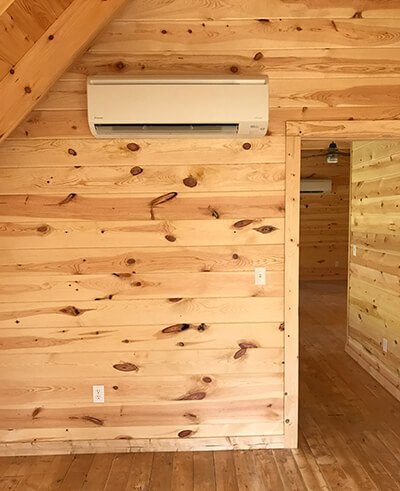
Mini-split systems are known for their energy efficiency, flexibility, and ability to provide targeted comfort. However, even a high-quality system can struggle to perform as intended if it is installed in the wrong location. Poor placement can lead to uneven temperatures, reduced efficiency, and increased wear on the system.
For homeowners in Austin, TX, proper mini-split placement is especially important. With long, hot summers and heavy cooling demands, the location of both the indoor and outdoor units can have a significant impact on comfort and energy usage. Understanding common placement mistakes can help you get the most from your investment.
Why Does Mini-Split Placement Matter?
Mini-split systems rely on proper airflow and accurate temperature readings to maintain comfort. When an indoor unit is positioned correctly, conditioned air can circulate throughout the space more effectively, helping maintain consistent temperatures.
Placement also affects how efficiently the system operates. If airflow is restricted or the unit struggles to sense the room’s actual temperature, it may run longer than necessary or cycle improperly. Over time, this can reduce efficiency and place unnecessary strain on system components.
Common Indoor Mini-Split Placement Mistakes
Installing the Unit Too Close to the Ceiling or Corners
Indoor mini-split units require adequate clearance to distribute air properly. When a unit is installed too close to the ceiling or tucked into a corner, airflow can become restricted.
This limitation can make it harder for conditioned air to reach the entire room, reducing both comfort and efficiency. Proper spacing allows the system to circulate air more effectively throughout the living area.
Positioning the Unit Near Heat Sources or Direct Sunlight
Mini-split systems use temperature sensors to determine when heating or cooling is needed. If the indoor unit is located near a sunny window, kitchen appliance, television, or other heat source, the sensor may receive inaccurate readings.
As a result, the system could run longer than necessary or fail to maintain consistent temperatures. Choosing a location away from direct heat sources helps the system respond more accurately to actual room conditions.
Choosing the Wrong Wall for Air Distribution
The wall selected for installation plays a major role in how effectively conditioned air moves through the room. A poorly positioned unit may create hot and cold spots or leave portions of the space feeling uncomfortable.
Open floor plans, room shape, furniture placement, and ceiling height should all be considered when determining the best location. The goal is to allow conditioned air to reach as much of the living space as possible.
Outdoor Unit Placement Mistakes That Affect Performance
While indoor placement often receives the most attention, the outdoor unit is equally important to overall system performance.
Outdoor units need sufficient airflow to operate efficiently. Installing a unit where airflow is blocked by landscaping, fencing, or other obstacles can reduce efficiency and place additional strain on the system.
In Austin’s hot climate, excessive heat exposure can also affect performance. Proper placement helps ensure the unit can effectively release heat during cooling operation. Accessibility is another important consideration, as the unit should remain easy to inspect and service when needed.
Signs Your Mini-Split May Be Poorly Positioned
If a mini-split system is not installed in an ideal location, homeowners may notice performance issues even when the equipment itself is functioning properly.
Common signs of poor placement include:
- Uneven temperatures throughout the room
- Hot or cold spots in certain areas
- Longer run times than expected
- Higher energy bills
- Reduced comfort despite system operation
- Frequent cycling on and off
If you notice these issues, a professional evaluation may help determine whether placement is contributing to the problem.
How Professional Installation Helps Maximize Mini-Split Efficiency
Successful mini-split installation involves more than simply mounting equipment on a wall. Factors such as room layout, square footage, insulation levels, airflow patterns, and household usage all influence placement decisions.
Professional installation helps ensure both indoor and outdoor units are positioned to support efficient operation and consistent comfort. Careful planning during installation can help prevent many of the issues associated with poor placement.
Whether you are adding a mini-split to a single room or considering a larger comfort upgrade, professional AC installation services can help maximize system performance from day one.
Improve Mini-Split Performance With Totally Cool Heating & Air
Proper mini-split placement plays a critical role in comfort, efficiency, and long-term system performance. Avoiding common placement mistakes can help ensure your system delivers consistent cooling and heating while minimizing unnecessary energy use.
At Totally Cool Heating & Air, we provide residential air conditioning services for homeowners throughout the Austin area. We understand how local climate conditions affect cooling performance and help homeowners find solutions that fit their comfort needs. If you are considering a new mini-split system or have concerns about an existing installation, contact us today.
