
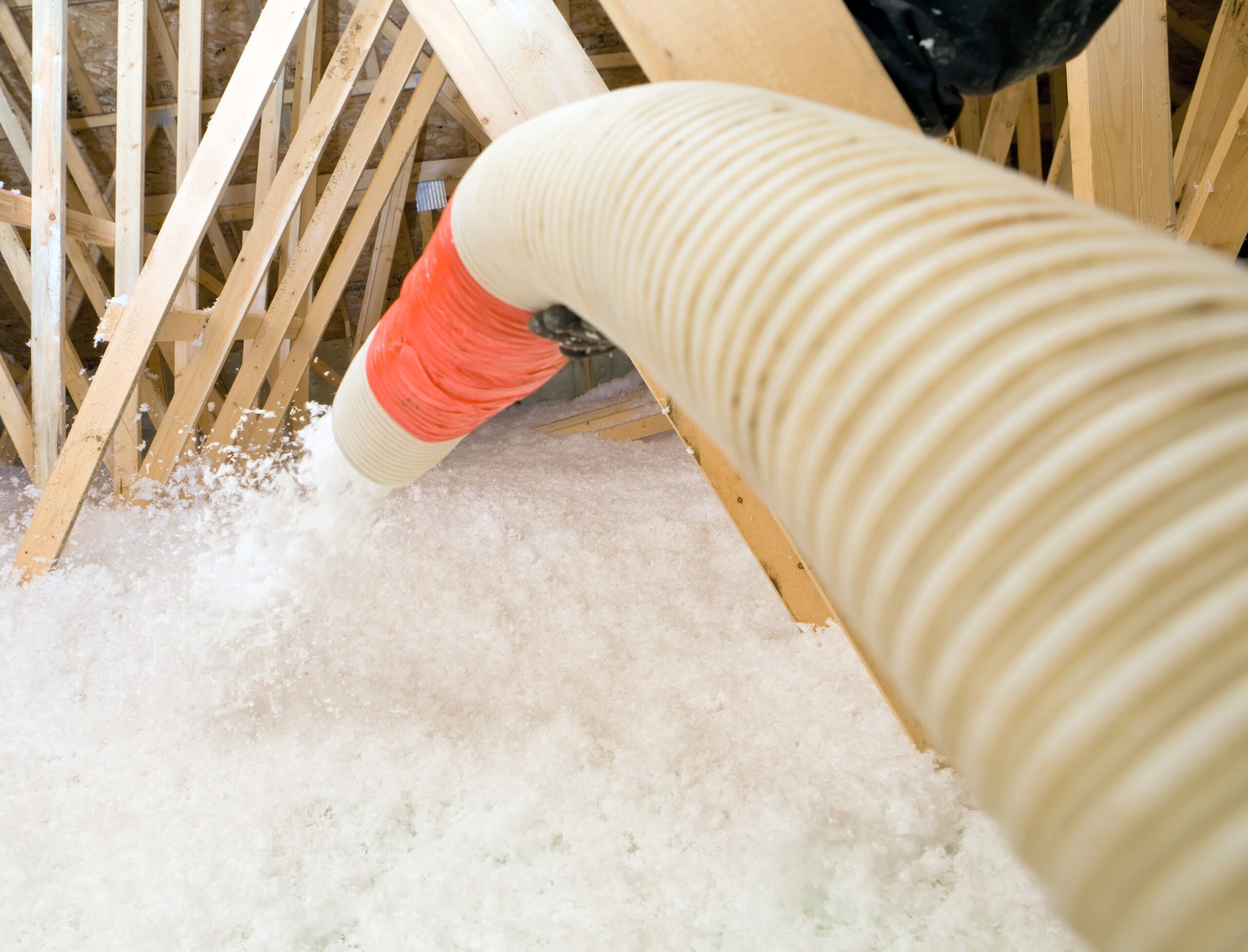
A new thermostat can seem like the fastest way to fix comfort issues, especially if your home runs hot upstairs, cold downstairs, or never seems to be constant. However, when your attic leaks heat in winter and absorbs heat in summer, the best thermostat in the world will still fail to keep your home comfortable due to leaks.
Why a Thermostat Upgrade Can Feel Disappointing
A thermostat measures temperature and tells your HVAC system when to run. It doesn’t block attic heat from radiating into your living space. It doesn’t stop hot, dusty air from slipping through ceiling gaps around lights, vents, and attic hatches. And it doesn’t correct rooms that feel different because the house loses conditioned air faster in one area than another.
This is why homeowners often install a smart thermostat and are still dissatisfied a week later. The schedule looks polished, the app feels modern, but the comfort stays uneven. You may also see longer run times because the thermostat can now “learn” your habits and call for cooling more often. That isn’t a comfort win if your home leaks energy through the roof.
If your upstairs bedrooms feel warmer than the rest of the house on sunny days, the attic is usually part of that story. If the first floor feels drafty while the heat runs, attic air leaks can still contribute by pulling air through the home like a chimney. A thermostat can respond to these issues and increase the energy bill, but attic insulation can reduce them.
What Attic Insulation Changes in Your Day-to-Day Comfort
Your attic sits between your roof and your ceiling. In warm weather, your roof absorbs heat, and the air can become extremely hot. That heat doesn’t stay in the attic. It moves downward. It warms ceiling drywall, recessed light cans, ductwork, and framing. You feel it most in rooms directly below, often late afternoon and early evening, when the house should be winding down.
Attic insulation slows that heat transfer. It creates resistance between the attic and the living space, which helps your rooms hold a steadier temperature. You stop getting that “upstairs feels like a different climate” effect that makes you lower the thermostat only to sleep. In colder months, insulation helps keep heated air where you pay for it, instead of letting it drift up and out through the ceiling plane.
Comfort isn’t only about the thermostat reading. It’s about how your skin feels when you sit near an exterior wall, walk across a bedroom, or stand in a hallway that always feels off. Better attic insulation often changes that experience because it reduces extreme surface temperatures and cuts down on rapid room swings.
Air Leaks in the Attic Can Undo Great Insulation
Many comfort complaints come from a mix of missing insulation and air leaks. Air leaks happen where your ceiling has gaps into the attic, such as around plumbing penetrations, bathroom fan housings, attic hatches, recessed lights, duct chases, and wiring holes. These openings can let conditioned air escape and let attic air enter your living space. You may not “feel” a draft like you would at a window, yet the exchange still affects comfort and system run time.
This is also why some homes have decent insulation depth and still feel uncomfortable. If air moves freely through the ceiling plane, it can carry heat and humidity along with it. In winter, warm indoor air can rise into the attic, where it meets cold surfaces, creating moisture problems. In summer, hot attic air can press down into living spaces whenever the house is under negative pressure due to exhaust fans.
Sealing the attic floor and improving insulation work well together because they handle two different problems. Insulation slows heat transfer. Air sealing reduces air movement. When you address both, you often notice fewer hot spots, fewer cold corners, and a reduced “the system ran all day, and I still feel uncomfortable” situation.
Make Comfort Improvements That Last
Attic insulation can change how your home feels because it reduces heat gain, slows heat loss, and supports steadier indoor conditions. At Totally Cool Heating & Air, we provide environmental assessments, HVAC maintenance, system inspections, duct evaluations, and indoor air quality support when comfort issues are connected to airflow and filtration. Contact Totally Cool Heating & Air in Austin, TX, and let us inspect your attic insulation and devise a plan restore your comfort.
